





Back
SEARCH AND PRESS ENTER
Recent Posts

In our ongoing “Dear Mentor” series, medical students submit anonymous questions about the challenges they face in training and beyond. Our mentors—residents, fellows, and attending physicians—share their perspectives to encourage and guide the next generation of healthcare professionals.

For this issue, Philip Wang, MD, a psychiatry resident, responds to two student submissions: one on the evolving role of AI in patient care, and another on the difficult transition into clinical rotations.

Question 2: How Can I Manage Everything?

Dear Mentor,  

I am a third-year medical student, and I just started my clinical rotations. After hearing from other fourth-year students, it seems that the last two years are the most challenging parts of medical school due to heavy clinic schedules, shelf exams, and intense patient cases. I’m worried about how to manage the long hours, the steep learning curve, and my studies while still maintaining my well-being.

Can you please share some tips or strategies for balancing personal wellbeing with clinical duties and academic workload? How can I make the most of rotations academically, while also preventing burnout and sustaining stability beyond the hospital?
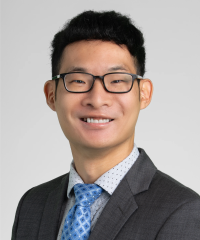
Response From the Mentor

Dear X,

Thank you for the thoughtful question! The transition from the pre-clinical to clinical years in medical school is certainly challenging, and I want to empathize with what you are feeling.

To give some context to my perspective, my clerkship year was a bit different from the typical experience of M3s. I was lucky enough to attend a school that did not have any clerkship grades and where shelf exams were optional, which removed significant stress from the typical clerkship experience. Even without grades, I consistently received strong feedback on my rotations. That being said, the year was still extremely challenging, and I think I have some unique perspectives to share due to my clerkship experience and now being a resident.

First, I want to validate that being an M3 is tough! I was often the least knowledgeable and least experienced person in the room, and I often felt like I didn’t have an essential role on the team and was simply in the way of actual healthcare being done. What helped me most was clear communication—at the start of each rotation, talk with your resident about their expectations and how you can function best within the team. This will cause you to second-guess yourself less, which was a big source of my stress.

Second, the most valuable thing you can offer as an M3 is your time, which you have in excess compared to your residents (although it might not feel like it). You will probably be assigned one or two patients to start. Know these patients inside and out. Read their charts closely, study their conditions, and truly understand their care plan.

Finally, find a healthy balance between caring and not caring. Be invested in learning, take excellent care of your patients, and show that you’re growing both on and off the wards. But don’t hound the residents with constant questions, and absolutely leave when you are dismissed. I think by not having grades, I felt less pressure to be a people pleaser and insert myself unnecessarily, and ironically, my evaluations were better because of that.

The rest of my advice is fairly standard but still important: protect time for the things you love outside of medicine, find a study schedule that fits your learning style, and strike a balance between shelf exam preparation and preventing burnout. Lean on your support system whenever you need to.

As a last bit of advice—and this may vary based on your school—but the last half of M4 year for me was the calmest time I’ve had in my academic career, so you really only need to lock in for about 1.5 years. It’s cliché, but the days are long and the months are short; it will be over before you know it!

Philip Wang, MD

Wang_Philip_Z75848_edited

Philip Wang, MD

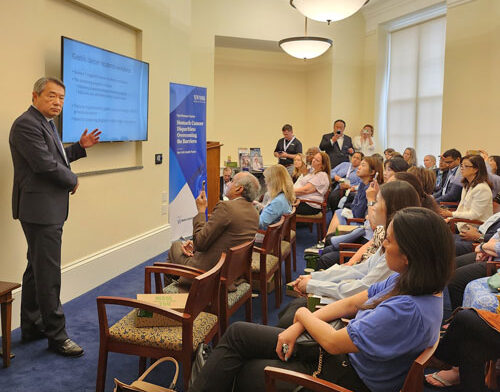
Dr. Philip Wang is a PGY-2- psychiatry resident at Brigham and Women’s Hospital in Boston. He went to Auburn University for college and then completed medical school at the Cleveland Clinic Lerner College of Medicine. Academically, he is interested in psychosis, addictions, palliative care, and psychedelics and some of his hobbies include birdwatching and hiking.

Leave Your Comment