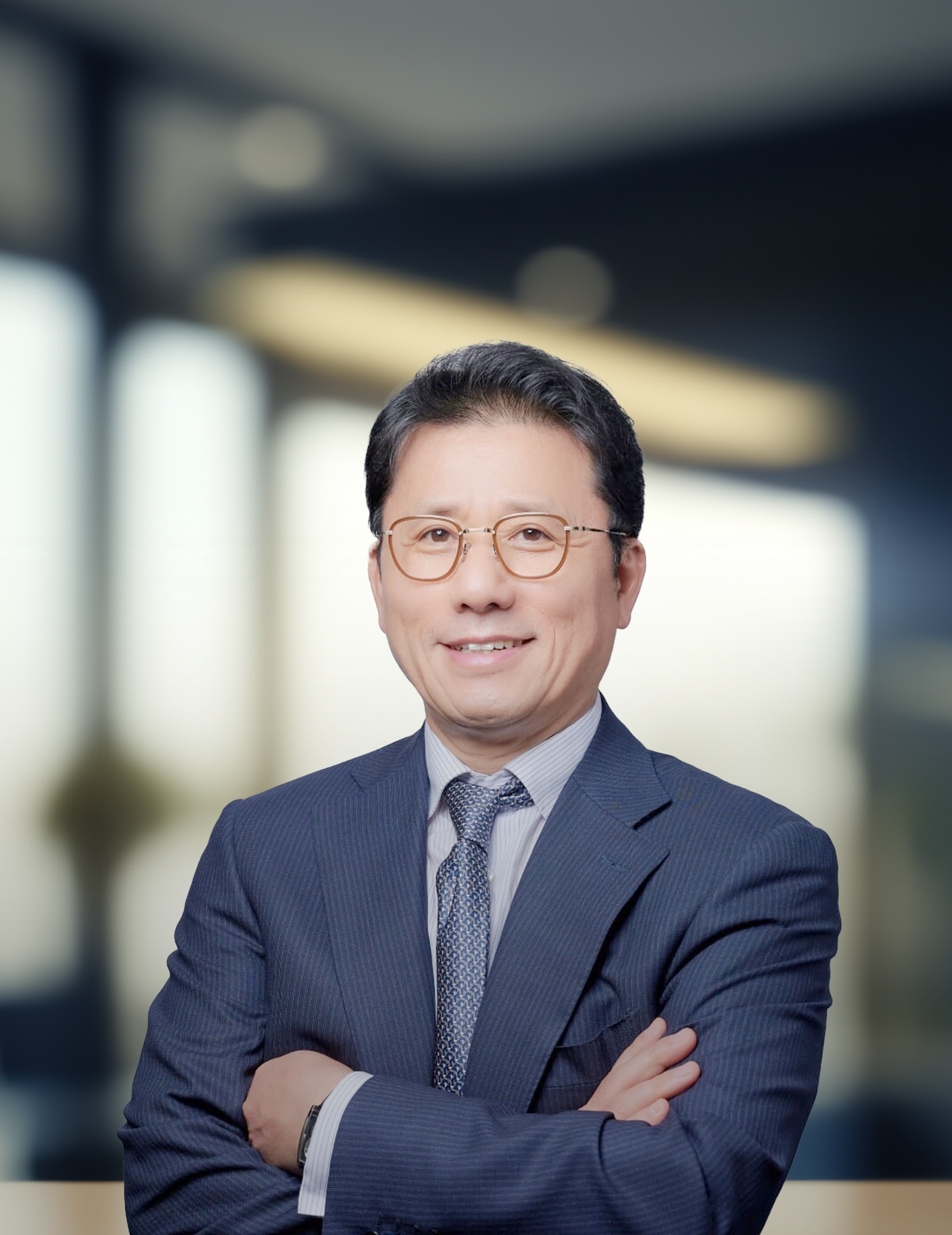
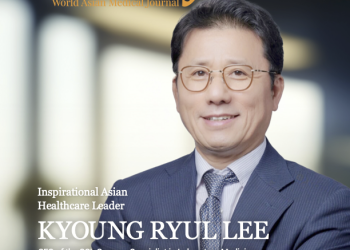
Kyoung Ryul Lee, MD, PhD, CEO of the SCL Group, Seoul Clinical Laboratory, a Specialist in Laboratory Medicine
Kyoung Ryul Lee, MD, PhD, CEO of the SCL Group, Seoul Clinical Laboratory, a Specialist in Laboratory Medicine What motivated your decision to attend medical school and become a physician? Could you share some particularly

ISSUE 28
FROM THE PUBLISHER W elcome to the 28th edition of the World Asian Medical Journal. This issue encompasses a captivating cover story featuring an interview with Dr. Huang, a distinguished medical professional whose journey from
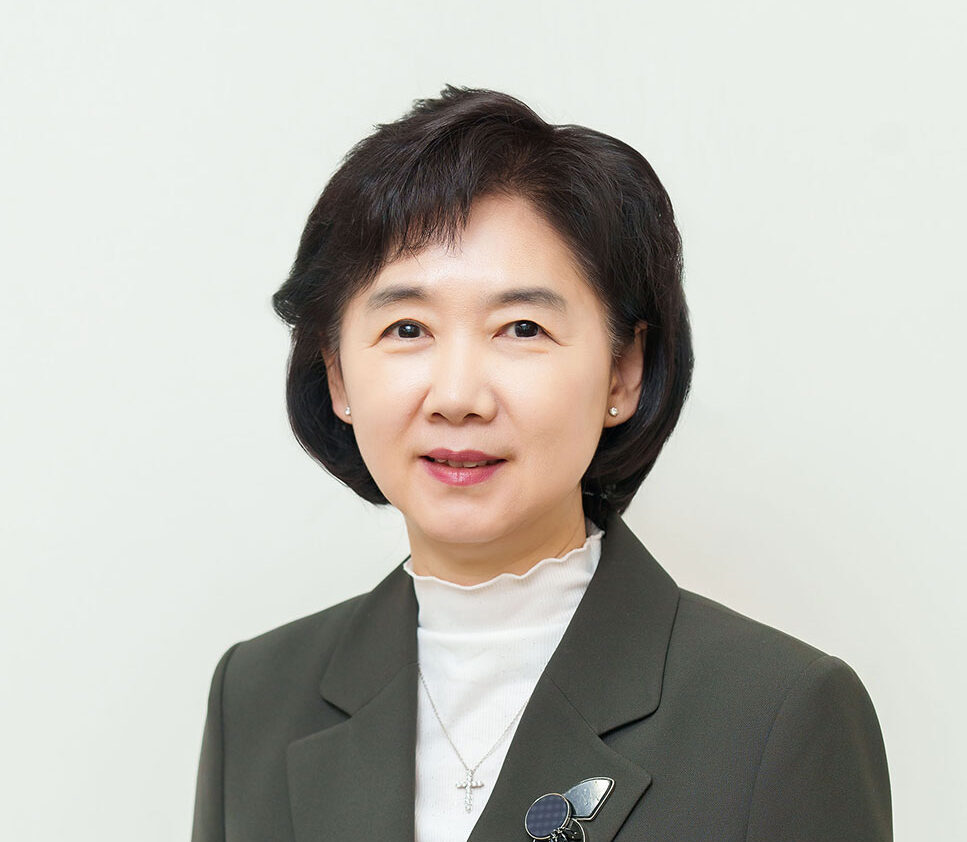
Youngmee Jee, MD, PhD | Inspirational Asian Healthcare Leader
INSPIRATIONAL ASIAN HEALTHCARE LEADER Youngmee Jee, MD, PhD Commissioner of Korea Disease Control and Prevention Agency INTERVIEW 01 Tell us how you decided to pursue a career in medicine. How did you choose your specialty?
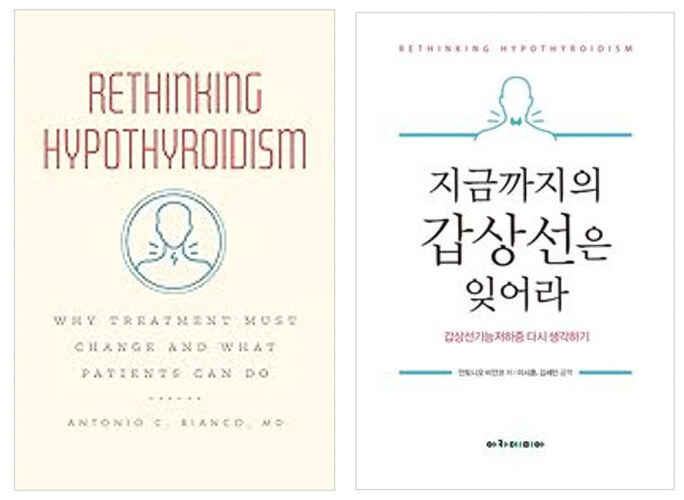
Rethinking Hypothyroidism
Rethinking Hypothyroidism: Why Treatment Must Change and What Patients Can Do Author: Antonio C. Bianco, MD Translated by: Semin Kim, MD & Sihoon Lee, MD About the book “Rethinking Hypothyroidism” The limitations of current
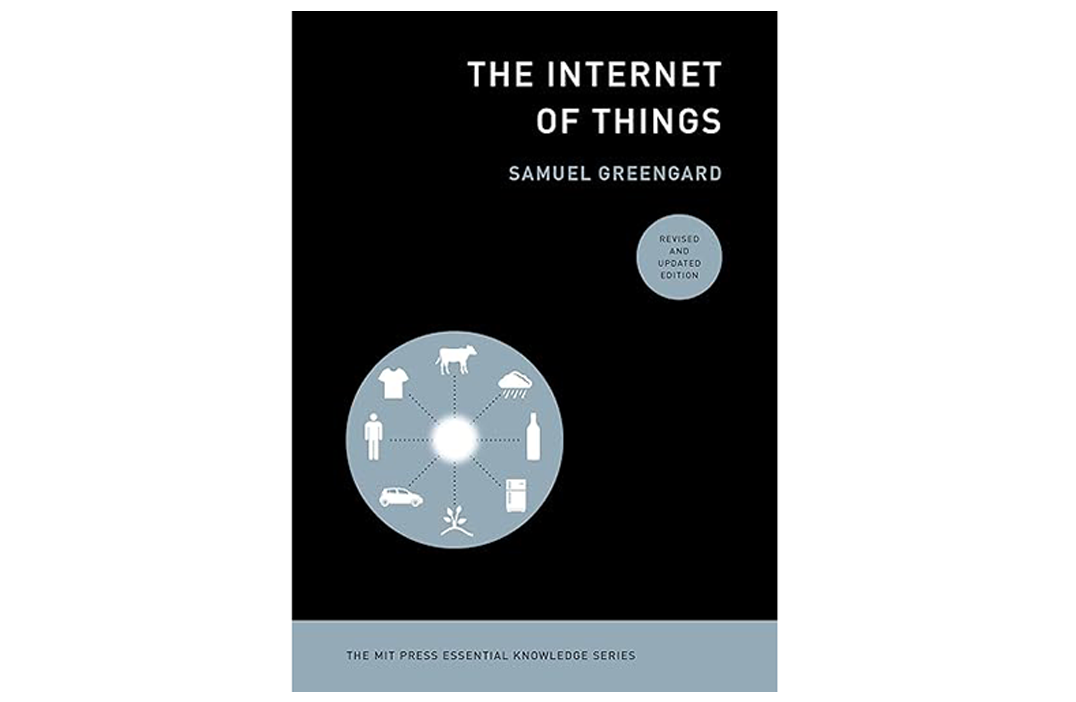
The Internet of Things (Revision 2021)
Purchase LinkThe Internet of Things (Revision 2021) Author: Sam Greengard We turn on the lights in our house from a desk in an office miles away. Our refrigerator alerts us to buy milk on the
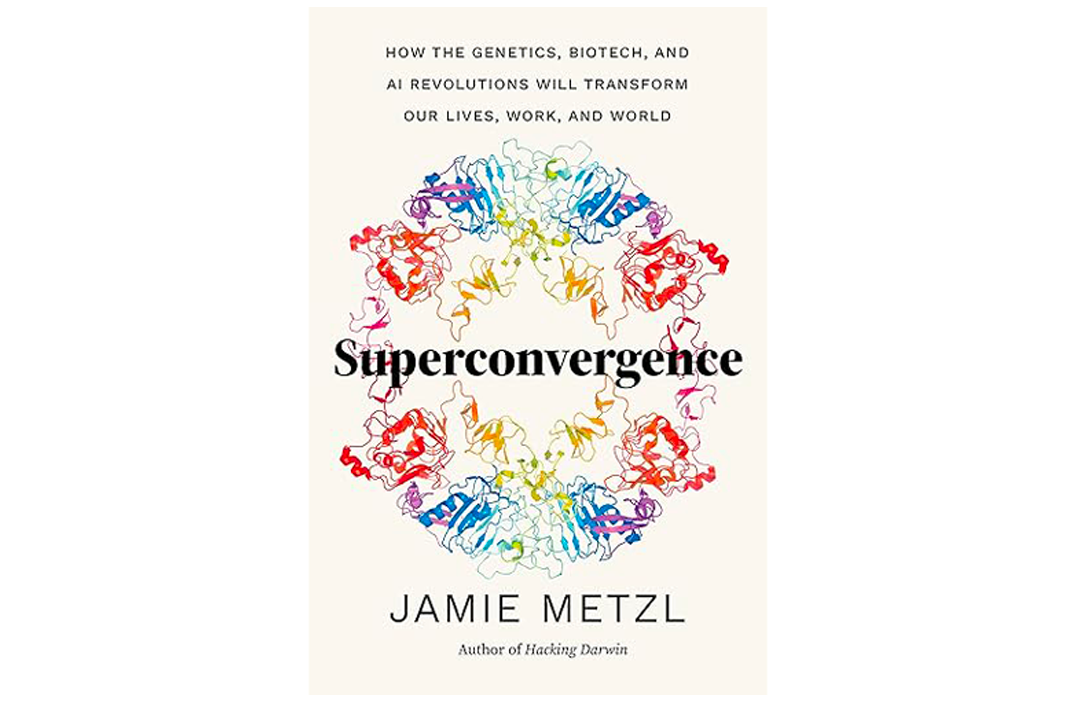
Superconvergence
Purchase LinkSuperconvergence Author: Jamie Metzl In Superconvergence, leading futurist and OneShared World founder Jamie Metzl explores how artificial intelligence, genome sequencing, gene editing, and other revolutionary technologies are transforming our lives, world, and future. These

The Strategic Importance of Location in the U.S. for Foreign Bio and Pharma Companies
The Strategic Importance of Location in the U.S. for Foreign Bio and Pharma Companies DoHyun Cho, PhD (CEO, W Medical Strategy Group) The U.S. Market: A Cornerstone of Global Expansion For pharmaceutical and biotech companies,

South Korea’s Healthcare Crisis: Beyond the Numbers
South Korea’s Healthcare Crisis: Beyond the Numbers Dongju Shin, Dong-Jin Shin INTRODUCTION The South Korean healthcare system has recently plunged into a significant crisis following a February 2024 announcement by the government to increase medical
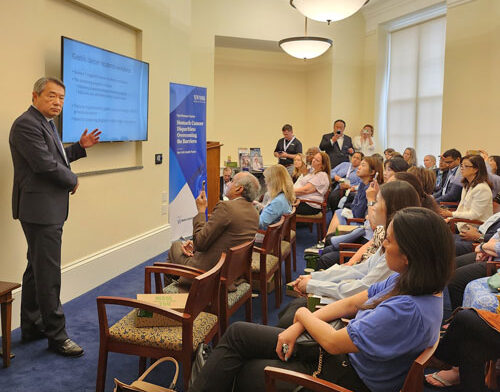
Overcoming Disparities in Gastric Cancer Care
Overcoming Disparities in Gastric Cancer Care Chul S. Hyun, MD, PhD, MPH Gastric Cancer and Prevention Screening Program, Yale School of Medicine, New Haven, CT Gastric cancer is the fifth most common cancer worldwide,

The Global OR – An Introduction to Global Surgery
The Global OR – An Introduction to Global Surgery Kee B. Park, MD, MPH, Dawn Poh, MBBS, MRes Introduction An estimated 5 billion people worldwide lack access to timely, affordable, and safe surgical care, including
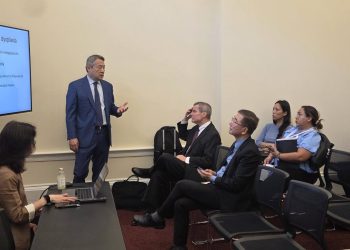
From Awareness to Action: A Congressional Forum on Gastric Cancer Prevention
By Editorial Team Gastric cancer remains a major global health issue, ranking as the fifth most common cancer and the fourth leading cause of cancer-related death worldwide. However, its presence...

Value-Based Care: It Doesn’t Mean What You Think
By Thomas Davis, MD. FAAFP Value-Based Care. Among clinicians it’s become a dirty word. It’s come to mean a payment model in which total provider compensation is adjusted based on...

What Precision Prevention Misses: A Migration-Informed Approach to Risk
By Chul Hyun, MD, PhD, MPH This article was originally published in Health Affairs Forefront on February 12, 2026. 10.1377/forefront.20260209.506668 Dr. Chul S. Hyun is the Director of the Gastric...
Building Healthcare Systems Through Diagnostics
Dr. Kyoung Ryul Lee, MD, PhD, is widely recognized as one of Korea’s leading figures in laboratory medicine, precision diagnostics, and global healthcare innovation. A graduate of the College of...
Advancing Global Health Through Innovation and Leadership: A Conversation with Dr. Kyoung Ryul Lee
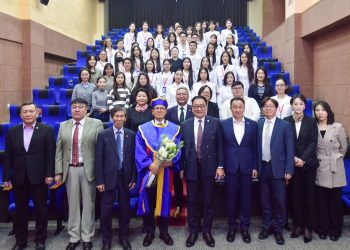
A Conversation with Dr. Kyoung Ryul Lee Chairman Kyoung Ryul Lee receives an honorary doctorate from the Mongolian Academy of Sciences. 1. What led SCL Group to begin its work...
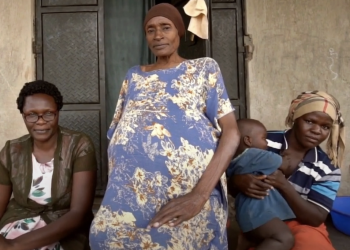
The Future of Global Surgery Starts Here
By Dr. Linda Zhang and Eva Ingber Madina Kyomugisha’s distended abdomen looked much like the natural swelling of a pregnant belly. As the mother of six children in a rural...
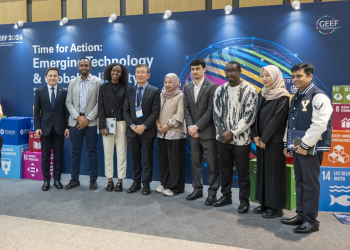
Immigration, Ethnicity, and Health Disparities: Reflections from GEEF 2026
By Sung Hwi Hong, MD. MPH The Global Engagement & Empowerment Forum on Sustainable Development (GEEF), hosted annually by Yonsei University, has become a prominent international platform for advancing interdisciplinary...
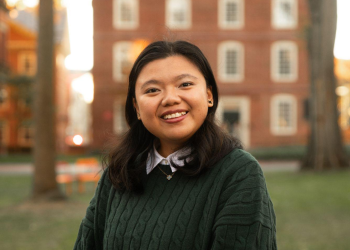
The Fallacy of Resilience in a Global Health Context
By Patrisha C. Lazatin, MD, MMSc Dr. Mahmud Bah is resilient. He had to be. Born in Freetown, Sierra Leone, a country with 8 million people and 0 neurosurgeons, Dr....

A Sound Mind in a Sound Body – Potential for Better Patient Care
By Mun K. Hong, MD, MHCM, FACC This latest reflection is a very personal revelation about my health and how it has affected my approach to patient care. I was recently diagnosed with pre-diabetes and as an interventional cardiologist, I am most fearful of the long-term complications of diabetes. Therefore, I have greatly modified my lifestyle, including daily exercise and removing all the sweets...
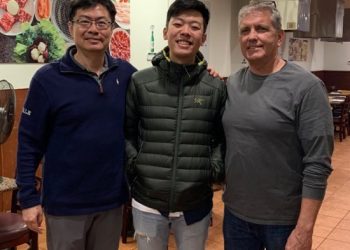
Context Determines Outcome
By Eric Hoyeon Song, MD, PhD I didn't arrive at science through a straight path. I arrived through displacement (geographic, cultural, linguistic) and through a series of people who saw something in me before I could see it myself. Following the Asian financial crisis in 1998, my family moved from...

Why a Meaningful Nonclinical Career May Be in Your Future
By John Jurica, MD, MPH, CPE, FAAPL I arrived to my meeting ten minutes early. That was early enough to find the room eerily silent. I took a seat at the far end of the mahogany table large enough to sit sixteen. As the leadership team filtered into the boardroom,...
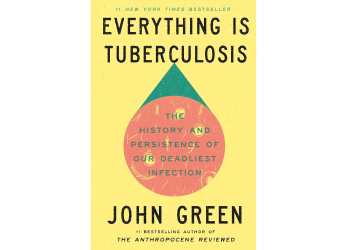
Everything Is Tuberculosis: The History and Persistence of Our Deadliest Infection
The History and Persistence of Our Deadliest Infection Author: John Green As the 2020’s have progressed, there have been increased conversations not just around ways to improve patient-focused care, but also an increased emphasis on the sociological elements that feed into medical outcomes. John Green’s Everything Is Tuberculosis: The History and Persistence of Our Deadliest Infection, does a fantastic job juxtaposing two dialogues at...

I am a general surgery resident, and recently I’ve started to notice that the days I’m most energized are not the ones spent in the operating room, but the ones where I’m thinking about problems outside of it. That realization has been uncomfortable, because I’ve invested years into becoming a surgeon, and walking away feels both irrational and, at times, like a relief.
How do you navigate that tension between commitment and curiosity without making a decision you might regret?

Dear Dr. Kang, I am a third-year medical student who has rotated through different specialties, and I keep coming back to ophthalmology. I like it, maybe even a lot, but I am trying to figure out whether I like it for the right reasons or just the obvious ones.
A few things I have been wondering, and probably overthinking: Am I mistaking “this is fascinating and satisfying to watch” for “this is something I would still want to do on a long clinic day when nothing is particularly interesting”? I am not sure how to tell that difference yet.
From India to the World: How Cross‑Cultural Medicine Redefined a Career
Interview by Raveena Baskaran RB: Looking back, what parts of your medical training in India prepared you most for the unconventional work you do today, perhaps in ways you did not expect at the time? Dr. Karamchedu: I got into a government (public) medical school in India right out of junior college at 18. Medical training in India has evolved quite a bit since...
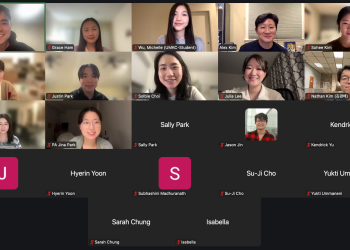
KAMSA Specialty Spotlight
Dr. Sanghyun Alex Kim on Colorectal Surgery and Surgical Leadership The National Board of the Korean American Medical Student Association (KAMSA) recently hosted a specialty information session featuring NexBioHealth Managing Editor, Sanghyun Alex Kim, MD, Associate Professor of Surgery and Site Chief of Colon and Rectal Surgery at Mount Sinai.For many medical students, choosing a specialty can feel overwhelming—especially in fields like surgery, where...