








Medicine is entering a moment that feels quietly seismic. Artificial intelligence, advanced computing, and digital platforms are no longer peripheral to healthcare; they are moving into exam rooms, operating rooms, training programs, and health systems. Algorithms now read images, predict risk, flag deterioration, and shape decisions. Virtual tools simulate procedures and patients. Data flows across clinics, devices, and populations in ways that were difficult to imagine even a decade ago. Yet for many clinicians, this transformation is unfolding faster than it can be fully understood.
At NexBioHealth, we have always tried to bridge that gap—between what is technically possible and what is clinically meaningful. In recent issues, we explored how AI is reshaping medical education through the perspectives of students and trainees encountering these tools firsthand. In this issue, Dr. Daniel Katz and colleagues, writing in our Medical Report section, extend that conversation by examining how AI-driven systems—from digital twins to intelligent simulation and decision support—are changing how physicians learn, train, and practice.
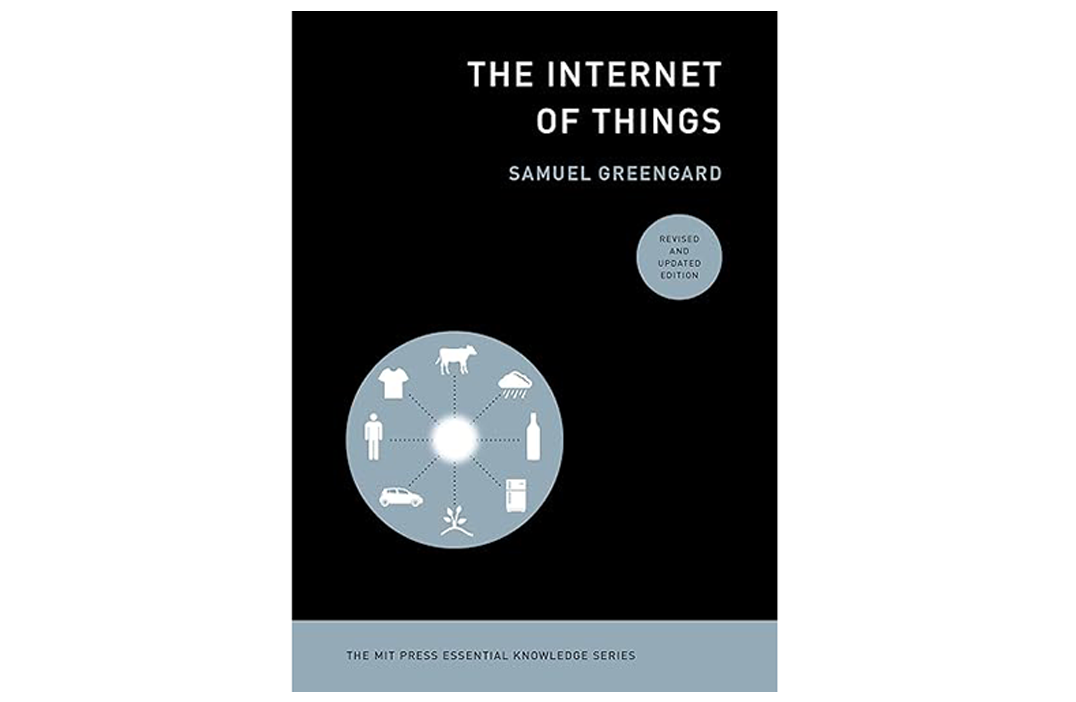
We open the AI & HealthTech section itself with a different, essential perspective. The inaugural feature of this section is an interview with Sam Greengard, a longtime technology journalist whose work has shaped how readers understand digital systems as they move from promise to practice. Greengard is not a clinician—and that is precisely the point. He has spent decades observing how technologies enter complex institutions, often revealing patterns that insiders are too close to see. His interview anchors this new section because it reminds us that technology does not arrive in healthcare as a neutral force; it reflects incentives, priorities, and values already embedded in the systems it enters.
Alongside this opening interview, we also feature work by Saahil Chadha, whose article in this section examines emerging AI-driven innovations and their potential applications in medicine. Drawing on current research, his contribution explores where technical promise meets clinical reality—an essential perspective for trainees and practitioners navigating this rapidly evolving space. Together, these voices—external, systems-level insight alongside emerging clinical and research perspectives—define what AI & HealthTech aims to be.
This section is not about hype, futurism, or product promotion. It is about understanding. We aim to give physicians, trainees, and healthcare leaders a clear, grounded way to engage with technologies that are already reshaping their work—what they do well, where they fall short, and what questions they demand we ask. Some voices will come from medicine; others will come from the broader worlds of technology, data, and systems design—because healthcare does not evolve in isolation.
Our goal is simple: to make AI and HealthTech legible, relevant, and human for the people who care for patients. We hope this section becomes a place where curiosity replaces anxiety—and where clinicians can begin to see not only what these technologies are, but how they may shape the future of care, education, and professional life.
— Editors, NexBioHealth