


Back
SEARCH AND PRESS ENTER
Recent Posts

In our ongoing “Dear Mentor” series, medical students submit anonymous questions about the challenges they face in training and beyond. Our mentors—residents, fellows, and attending physicians—share their perspectives to encourage and guide the next generation of healthcare professionals.

The Evolution of Medical Education

Dear Mentor,  

Dr. Levine,

Hello! My name is Stephen Park, and I am currently a first year undergraduate student at Washington University in St. Louis (WashU) seeking guidance as I learn more about medical school. I often hear that medical education is a constantly evolving field. I was wondering in what ways the education transforms, and also how those changes influence the way trainees come to view medicine itself. From your experience, how have you seen medical education transform, and what impact do you think these changes have on the way trainees grow into their roles as future physicians?

Thank you for your time and guidance.
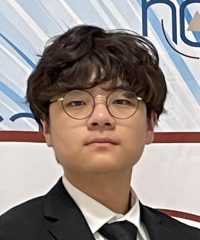
Stephen Park

Stephen Park

Response From the Mentor

Dear Stephen,

Medical education truly transforms a learner—from an undergraduate with broad, general knowledge into a medical trainee developing the focused expertise required for a specific specialty. Beyond the foundational “book knowledge,” medical training teaches students how to think: how to reason clinically, how to incorporate social determinants of health into care, and how to communicate clearly and compassionately with patients. Through this process, new students and physicians begin to understand the weight of the responsibility they carry—quite literally holding people’s lives in their hands. Immersion in the healthcare system also exposes them to the benefits, challenges, and inequities within American medical care.

Over the 20+ years I have been practicing, I have watched medical education and clinical practice evolve significantly. Innovations such as electronic medical records, computerized lab and radiology reporting, and rapid advances in research and technology have reshaped the landscape. There has also been an important reckoning with mistakes and injustices committed in the past by physicians and the healthcare system. While these technological efficiencies have improved access to information and streamlined workflows, they have also unintentionally removed some of the personalization from medicine, contributing to a model that can feel more like a business than a deeply human profession.

Despite these challenges, today’s students have unprecedented access to information and are more engaged with ongoing research than ever before. This allows them to make well-informed, evidence-based decisions for their patients. There is also greater awareness of trainee well-being and mental health, which fosters healthier, more resilient physicians and helps reduce burnout and attrition. Additionally, there is a stronger sense of camaraderie among physicians—a shift that ultimately supports better care for patients.

Overall, the evolution of medical education shapes trainees not just as clinicians, but as thoughtful, informed, and compassionate future physicians.

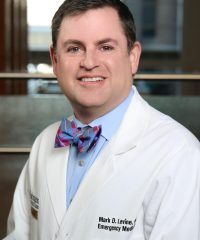
Mark D. Levine, MD, FAEMS

Mark D. Levine, MD, FAEMS

Mark D. Levine, MD, FAEMS

Mark D. Levine, MD, FAEMS, is a Professor of Emergency Medicine at Washington University School of Medicine and an attending physician at Barnes-Jewish Hospital and Barnes-Jewish West County Hospital. A board-certified specialist in both Emergency Medicine and Emergency Medical Services, Dr. Levine has more than two decades of experience as a clinician, educator, and EMS medical director. He has served in key leadership roles with the St. Louis Fire Department, where he has contributed to protocol development, disaster planning, and operational medical support.

An award-winning educator, Dr. Levine directs multiple medical student rotations, leads simulation-based curricula, and has mentored dozens of trainees across all levels. He is the lead editor of The Washington Manual of Emergency Medicine and a frequent national speaker on EMS operations, airway management, and prehospital care.  Dr. Levine also serves on numerous national committees focused on EMS standards, operations, and medical education.

Leave Your Comment