


Back
SEARCH AND PRESS ENTER
Recent Posts

Advancing Global Health Through Innovation and Leadership

A Conversation with Dr. Kyung-Ryul Lee

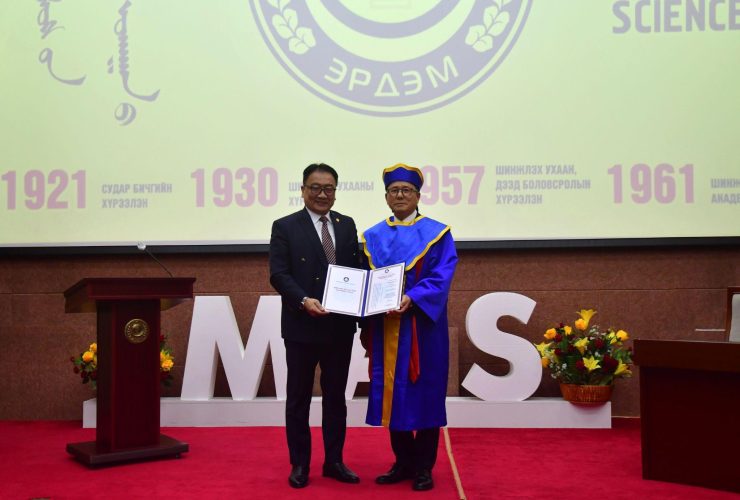
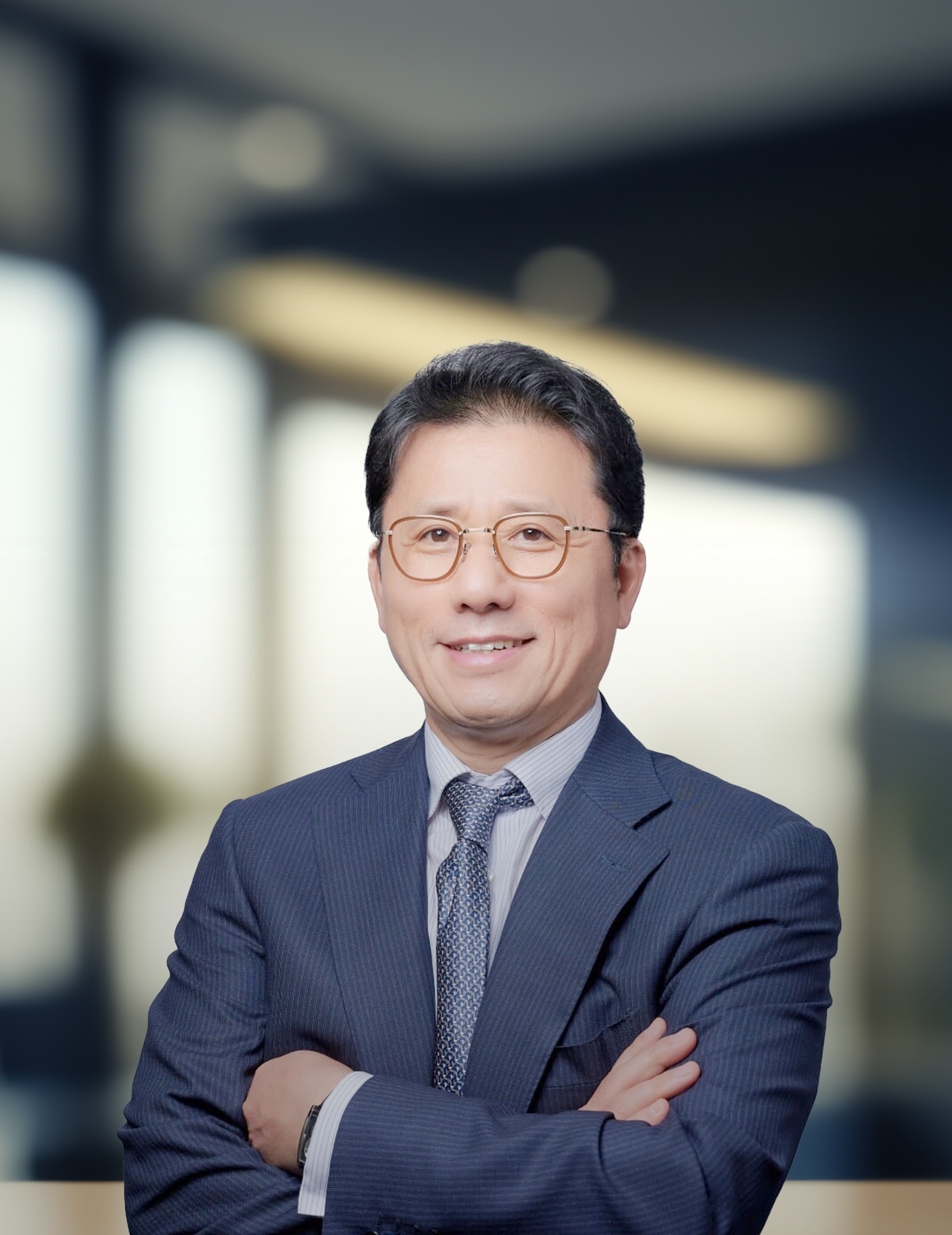
1.	Chairman Kyung-Ryul Lee receives an honorary doctorate from the Mongolian Academy of Sciences.

Chairman Kyung-Ryul Lee receives an honorary doctorate from the Mongolian Academy of Sciences.

1. What led SCL Group to begin its work in Mongolia?

SCL Group has built a deep and meaningful relationship with Mongolia over the years. As we prepared for global expansion, Mongolia became the very first place where we took that step.

In the early 2000s, Mongolia was going through rapid social and economic changes. However, the healthcare system—especially in diagnostic testing—was not able to keep pace. There was a lack of structured systems, which made early detection and accurate treatment difficult.

Although Mongolia is geographically close to Korea and shares certain cultural ties, there was still a significant gap in access to advanced medical technologies. Recognizing both the urgency and the opportunity, SCL Group established MOBIO in 2003, the first automated diagnostic laboratory in Mongolia. That became the starting point for introducing advanced diagnostic technologies into the country.

At the core of this decision was a clear belief: a healthcare crisis in one country is ultimately connected to the well-being of the global community. Over the past 20+ years, we have focused on bringing our diagnostic expertise to where it is most needed and supporting the long-term development of Mongolia’s healthcare system.

2. What kind of projects have you carried out in Mongolia?

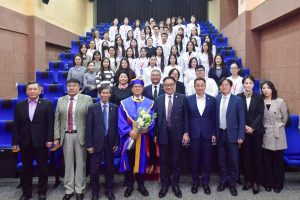
Honorary Doctorate Conferment Ceremony, Mongolian Academy of Sciences

From the beginning, our goal was not simply to provide testing services, but to help shift the overall healthcare system forward.

With the establishment of MOBIO in 2003, we created a foundation where accurate and timely diagnostics could be performed locally at a global standard. Since 2004, we have also hosted annual international academic seminars, sharing advanced medical technologies and providing professional training opportunities in Korea for over 200 Mongolian healthcare professionals.

More recently, we have formed a strategic partnership with ACH International Hospital, Mongolia’s first private medical school hospital. Through our affiliate MediInfra, we are working to localize Korean clinical models while expanding a smart healthcare network, including the introduction of NGS-based precision diagnostics.

At the same time, we have remained committed to community-centered efforts. We have provided ongoing free health screenings for underserved populations and supported children with heart failure by bringing them to Korea for comprehensive care—from diagnosis through surgery. These efforts reflect our belief that meaningful healthcare impact happens both at the system level and in individual lives.


3. Mongolia has one of the highest rates of gastric cancer. What stood out to you about the healthcare challenges there?

One of the most striking aspects of Mongolia’s healthcare system is the imbalance between the high prevalence of serious diseases and the limited diagnostic infrastructure available to manage them.

Mongolia has the highest age-standardized mortality rate (ASMR) for gastric cancer in the world—approximately 28.56 per 100,000 population, which is more than three times higher than Korea. This reflects not only disease burden, but also underlying factors such as high-salt, meat-heavy diets and long-standing patterns of blood-borne infections.

When we first entered Mongolia, about 10.6% of the adult population tested positive for hepatitis B (HBsAg), and 9.0% for hepatitis C (anti-HCV). At that time, there were very limited screening systems in place to prevent blood-borne infections. In particular, insufficient donor screening meant that hepatitis C transmission through transfusions was a significant risk.

Recognizing this gap, we prioritized the establishment of an HCV PCR testing system through MOBIO. This helped improve transfusion safety and contributed to reducing infection rates.

What we learned early on was that before introducing advanced treatments, the more urgent need was to build a reliable early diagnostic system. Training local professionals and introducing standardized diagnostic processes became essential steps in supporting the modernization of Mongolia’s healthcare system.

Sources: WHO IARC GLOBOCAN 2022/2024; WHO Global Hepatitis Report 2024

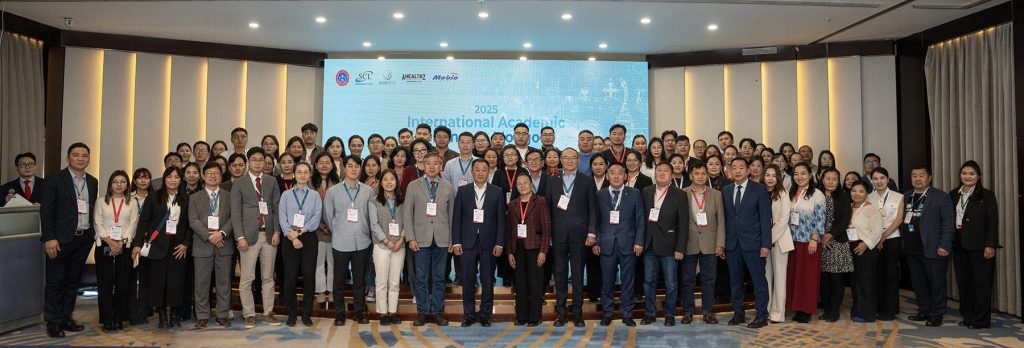
2025 International Academic Seminar in Mongolia, hosted by SCL Group in Ulaanbaatar

4. What does receiving the honorary doctorate from the Mongolian Academy of Sciences mean to you?

I see this recognition not so much as a personal honor, but as a reflection of the collective efforts made over many years together with our Mongolian partners.

The Mongolian Academy of Sciences is one of the most respected institutions in the country, and for them to award this honor to a foreign individual speaks to the value they place on the contributions made toward healthcare modernization and system development.

What made this moment even more meaningful was the signing of an MOU with the Mongolian Academy of Medical Sciences at the same time. It represents not only recognition of past efforts, but also a step forward—creating new opportunities for joint research and technology exchange, and strengthening the foundation for long-term collaboration.


5. What has Mongolia taught you about global health, and where do you see it heading?

One of the most important lessons is that improving a country’s health outcomes cannot rely on one-time support. Sustainable change comes from building systems that can continue to grow and operate independently.

Looking ahead, technology will play a critical role in shaping global health. In countries like Mongolia, where there is a vast territory with low population density, digital transformation can be a key solution to addressing healthcare disparities. AI-based diagnostics, telemedicine, and advanced surgical technologies all have the potential to significantly improve access to care.

At the same time, the model of collaboration needs to evolve. Rather than focusing only on one-way technology transfer, there needs to be more emphasis on joint research and data-driven approaches. By studying locally prevalent diseases together and building on accumulated data, we can move toward more personalized, precision-based healthcare solutions.


6. How do you see NexBioHealth contributing to global health?

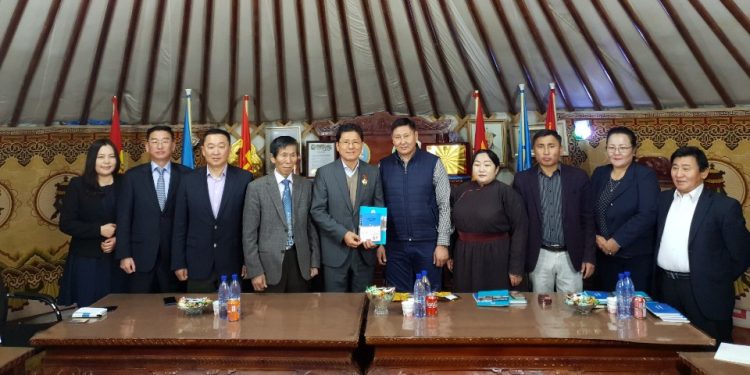
Chairman Kyung-Ryul Lee receives a Distinguished Service Medal from KHOVD Province, Mongolia.

The vision of NexBioHealth aligns closely with SCL Group’s core value of building “a healthier future for humanity.”

Over the past 40+ years, SCL Group has built a strong foundation through diagnostic infrastructure, contributing to the development of healthcare systems. NexBioHealth, in turn, has the potential to build on that foundation by creating a global platform where healthcare professionals can connect, share knowledge, and collaborate.

What stands out is its focus on building a global community for physicians and young healthcare  professionals, helping them connect across borders and grow together. If this continues to develop, NexBioHealth can play an important role as a bridge, connecting future medical leaders and contributing to a world where high-quality healthcare is more accessible and shared globally.