




Back
SEARCH AND PRESS ENTER
Recent Posts

In our ongoing “Dear Mentor” series, medical students submit anonymous questions about the challenges they face in training and beyond. Our mentors—residents, fellows, and attending physicians—share their perspectives to encourage and guide the next generation of healthcare professionals.

Choosing Ophthalmology for the Right Reasons

Dear Dr. Kang,  

I am a third-year medical student who has rotated through different specialties, and I keep coming back to ophthalmology. I like it, maybe even a lot, but I am trying to figure out whether I like it for the right reasons or just the obvious ones.

A few things I have been wondering, and probably overthinking: Am I mistaking “this is fascinating and satisfying to watch” for “this is something I would still want to do on a long clinic day when nothing is particularly interesting”? I am not sure how to tell that difference yet.

I also notice that I like how contained and precise ophthalmology feels, but I wonder if ten years from now I might miss the unpredictability and broader problem solving of general medicine, or if that is something people naturally grow out of.

And maybe the most uncomfortable question, have you seen people choose ophthalmology because it fits well on paper or feels like a good lifestyle decision, but later realize it did not quite fit them? If so, were there early hints?

Thank you for your time and honesty. I suspect many of us are trying to ask better questions, even if we are not always sure how to frame them.

Sincerely,

Jennifer Lee

Response From the Mentor

Dear Jennifer,

Thank you for your thoughtful letter and your interest in ophthalmology.   Ophthalmology consistently ranks among the highest specialties in physician satisfaction, particularly when physicians are asked whether they would choose their field again. There are many reasons for that, and while every specialty offers something meaningful, I’m happy to share why ophthalmology has been such a rewarding path for me, and why I have never looked back.

One of the unique strengths of ophthalmology is that it offers a little bit of everything. You have the opportunity to build longitudinal relationships with patients in clinic while also performing surgery that can definitively improve their condition. That balance, between managing disease and actually fixing it, is deeply satisfying. You also care for patients across the entire lifespan, from newborns to the elderly.

Within the field, there is remarkable breadth. Not so obvious subspecialties even range from pediatrics to neuro-ophthalmology to oculoplastics, each appealing to different interests—whether that’s working with children, tackling complex diagnostic challenges, or integrating reconstructive and cosmetic work. In addition, ophthalmology is a highly technology-driven specialty. We rely on advanced imaging and diagnostics, and in many ways interpret data similarly to radiologists. So while the anatomy is focused, the intellectual scope is not narrow.

That brings me to one of your key concerns—whether the field might feel “too contained” over time. In reality, the eye often reflects systemic disease. As ophthalmologists, we routinely engage with broader medicine: collaborating with neurologists on conditions like multiple sclerosis or intracranial tumors, working with endocrinologists in the management of diabetic retinopathy, and coordinating with rheumatologists when autoimmune disease or medication toxicity affects the eye. A strong foundation in general medicine remains essential, and the connections to the rest of the body are constant.

On a personal note, what has sustained my enthusiasm over the years is the experience of restoring vision. Cataract surgery, in particular, offers the rare opportunity in medicine to take someone from significant visual impairment to functional independence in a very tangible way. Patients regain the ability to drive, read, work, and engage fully with their families. The gratitude they express sometimes as simple as a hug or a heartfelt thank you is deeply meaningful. It is a privilege that, even after many years, has not become routine.

I hope this helps outline some of the reasons why you may be drawn to ophthalmology.   There are many wonderful fields within medicine for which ophthalmology is one.   I would encourage you to explore your interests and am happy to answer any additional questions you might have.  All the best in your medical pursuits.

Warm regards,

Paul C. Kang, MD

image33

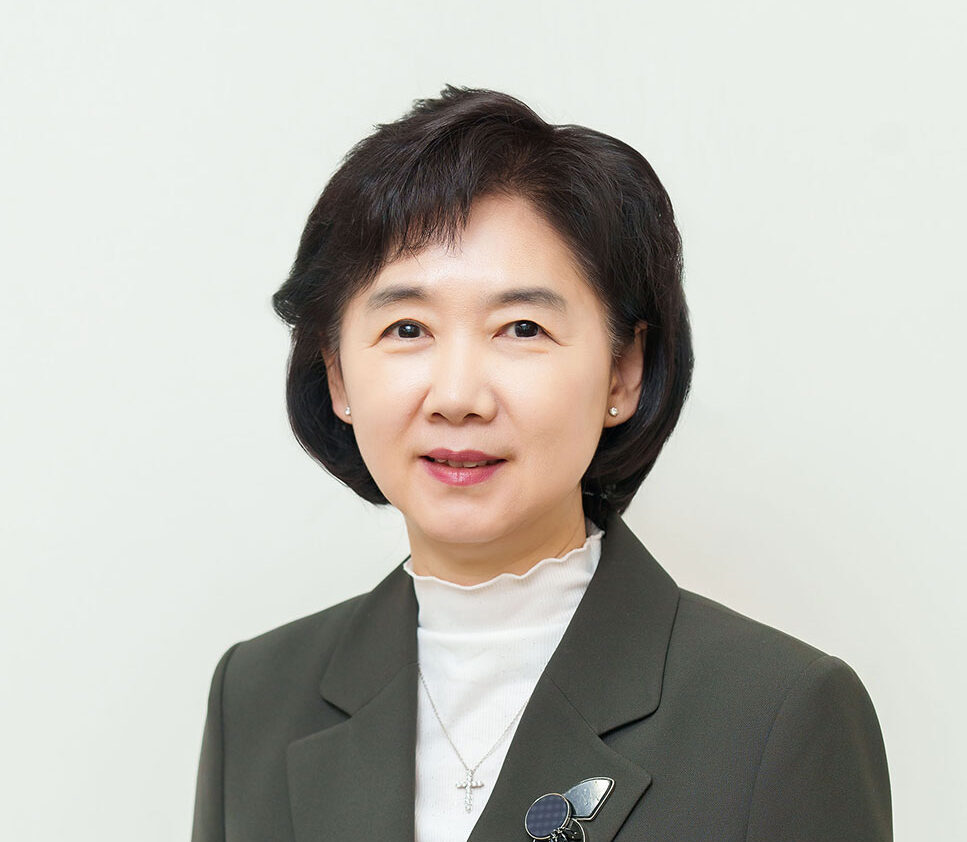
Paul Kang, MD

Paul C. Kang is an ophthalmologist, medical missionary, and impact entrepreneur. Dr. Kang’s motivation to become an eye doctor was sparked by growing up with a blind father.  Dr. Kang is currently on the faculty of the Yale Eye Center and was awarded the excellence in teaching award by the Yale University School of Medicine.   He is focused on his medical missionary work helping to lead Health in Sight Mission to build an eye center to provide medical and eye care for impoverished residents on the island of Roatan.  Previously, he was a leading eye surgeon in the Washington DC area at the Eye Doctors of WashingtonWww.paulkangmd.com

Leave Your Comment