


Kyoung Ryul Lee, MD, PhD, CEO of the SCL Group, Seoul Clinical Laboratory, a Specialist in Laboratory Medicine
Kyoung Ryul Lee, MD, PhD, CEO of the SCL Group, Seoul Clinical Laboratory, a Specialist in Laboratory Medicine What motivated your decision to attend medical school and become a physician? Could you share some particularly

ISSUE 28
FROM THE PUBLISHER W elcome to the 28th edition of the World Asian Medical Journal. This issue encompasses a captivating cover story featuring an interview with Dr. Huang, a distinguished medical professional whose journey from
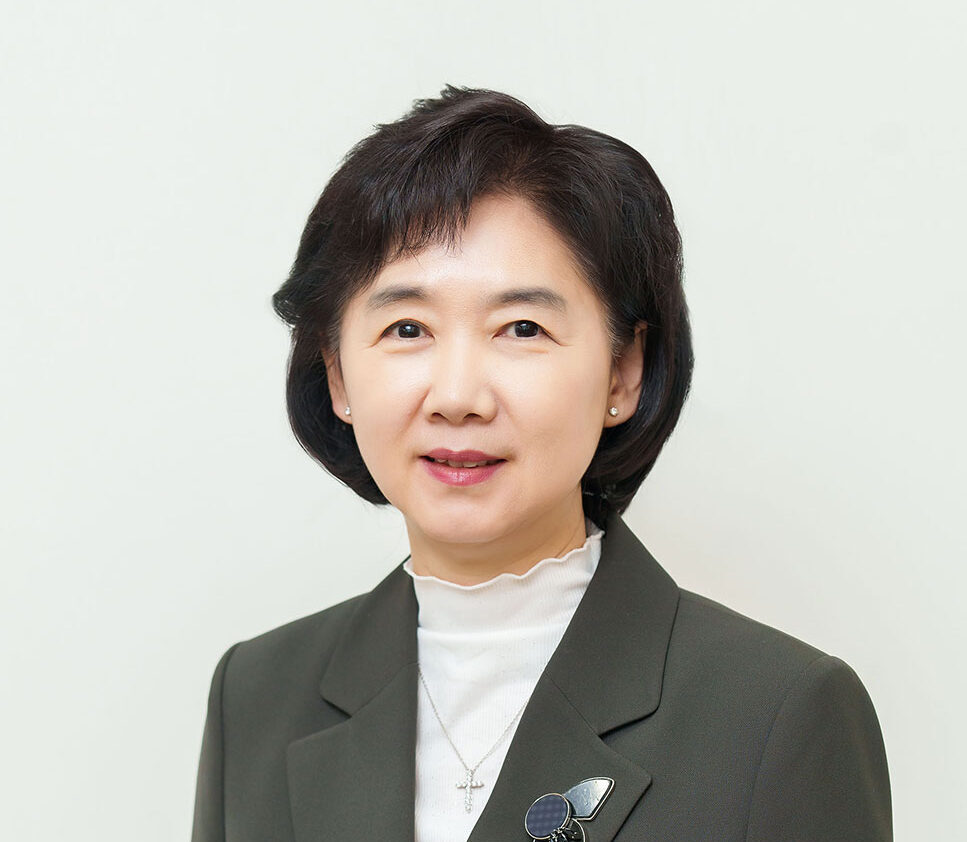
Youngmee Jee, MD, PhD | Inspirational Asian Healthcare Leader
INSPIRATIONAL ASIAN HEALTHCARE LEADER Youngmee Jee, MD, PhD Commissioner of Korea Disease Control and Prevention Agency INTERVIEW 01 Tell us how you decided to pursue a career in medicine. How did you choose your specialty?

Rethinking Hypothyroidism
Rethinking Hypothyroidism: Why Treatment Must Change and What Patients Can Do Author: Antonio C. Bianco, MD Translated by: Semin Kim, MD & Sihoon Lee, MD About the book “Rethinking Hypothyroidism” The limitations of current
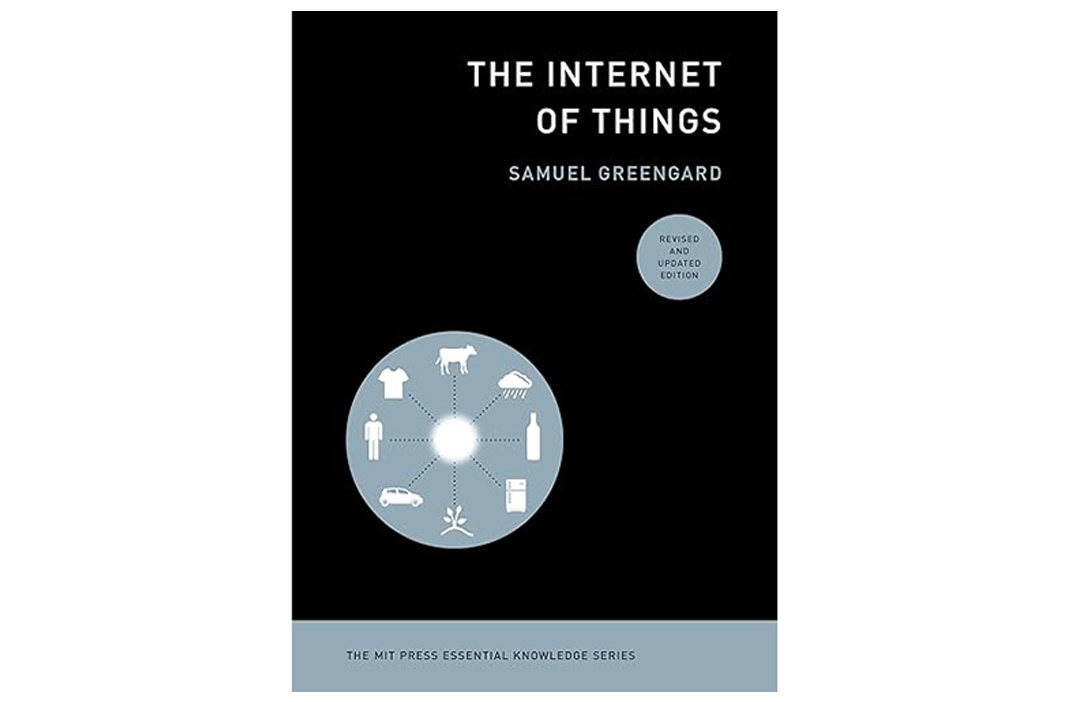
The Internet of Things (Revision 2021)
Purchase LinkThe Internet of Things (Revision 2021) Author: Sam Greengard We turn on the lights in our house from a desk in an office miles away. Our refrigerator alerts us to buy milk on the
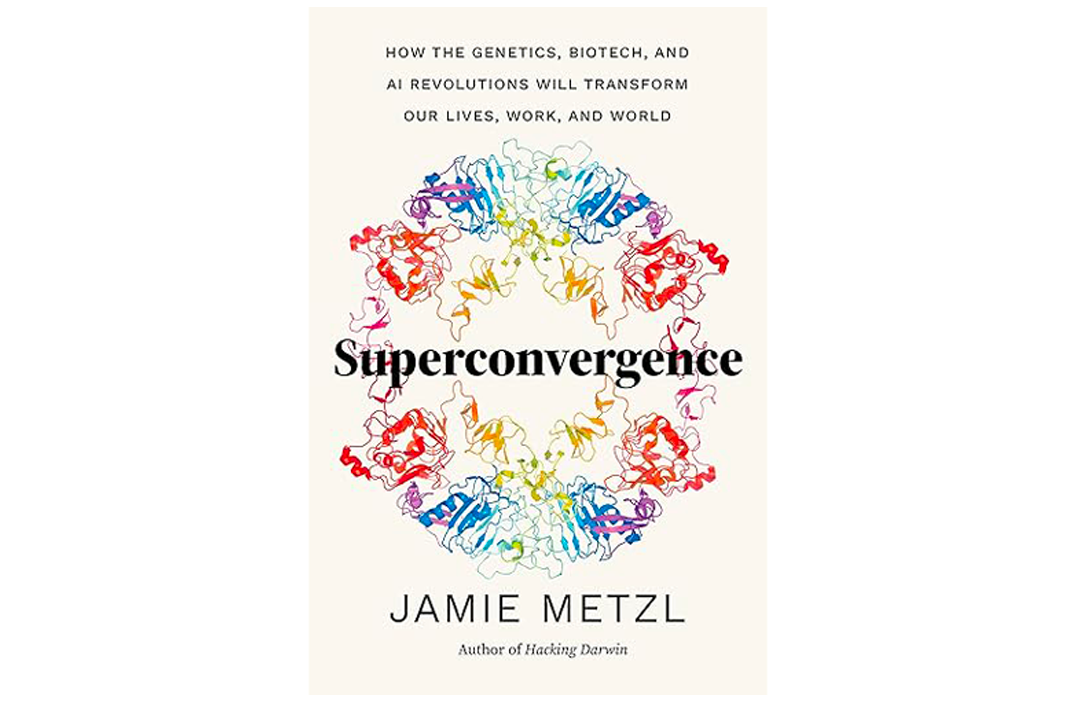
Superconvergence
Purchase LinkSuperconvergence Author: Jamie Metzl In Superconvergence, leading futurist and OneShared World founder Jamie Metzl explores how artificial intelligence, genome sequencing, gene editing, and other revolutionary technologies are transforming our lives, world, and future. These

The Strategic Importance of Location in the U.S. for Foreign Bio and Pharma Companies
The Strategic Importance of Location in the U.S. for Foreign Bio and Pharma Companies DoHyun Cho, PhD (CEO, W Medical Strategy Group) The U.S. Market: A Cornerstone of Global Expansion For pharmaceutical and biotech companies,

South Korea’s Healthcare Crisis: Beyond the Numbers
South Korea’s Healthcare Crisis: Beyond the Numbers Dongju Shin, Dong-Jin Shin INTRODUCTION The South Korean healthcare system has recently plunged into a significant crisis following a February 2024 announcement by the government to increase medical
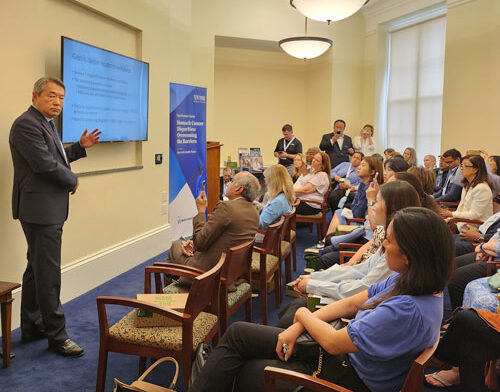
Overcoming Disparities in Gastric Cancer Care
Overcoming Disparities in Gastric Cancer Care Chul S. Hyun, MD, PhD, MPH Gastric Cancer and Prevention Screening Program, Yale School of Medicine, New Haven, CT Gastric cancer is the fifth most common cancer worldwide,

The Global OR – An Introduction to Global Surgery
The Global OR – An Introduction to Global Surgery Kee B. Park, MD, MPH, Dawn Poh, MBBS, MRes Introduction An estimated 5 billion people worldwide lack access to timely, affordable, and safe surgical care, including
The Price Is Out There. Good Luck Finding It
By Sung Hwi Hong, MD, MPH
You know roughly what a carton of milk costs, and you’ve probably noticed, without trying very hard, when it’s cheaper at one store than another. Now ask yourself: do you know what a consultation costs at your doctor’s office? An X-ray? A CT scan? Federal law says that information should be online, no matter where you live. Go ahead and try to find it. I’ll bet you can’t.
This isn’t an abstract inconvenience. A 2022 KFF survey found that 41 percent of U.S. adults, 107 million people, carry some form of debt from medical or dental bills. Nearly one in five adults say their own health got worse because they delayed or skipped care they couldn’t afford, which is another way of saying the price tag itself becomes a medical risk factor. Americans want to know what things cost, but the system makes not knowing the default condition, and then bills people for the gap.
I recently moved to Boston and don’t yet have a primary care doctor here. Before getting an echocardiogram, I wanted to know what it would cost, and so I searched. Nothing useful came up. I asked ChatGPT, which told me I’d need my Blue Cross Blue Shield (BCBS) ID, a number I apparently already owned. Finding it meant logging into my affiliate’s health portal, handing over my information again, then logging into BCBS of Massachusetts separately. Another password. Another form. The same data, typed a second time into a second system that didn’t talk to the first.
Once I was in, I entered the procedure — “echocardiography with contrast” — and waited for a number. Not enough. The tool wanted a hospital. I tried Brigham and Women’s, then Beth Israel. Neither returned anything useful. Buried in the options was a field for a physician’s name, so I opened a hospital directory in a second tab, found someone double-boarded in cardiology and radiology with good reviews, and typed her name into the estimator. Only then did a price appear: zero dollars, fully covered under my plan.
Forty minutes. Three logins. A conversation with a chatbot just to locate a number that was already mine. I have a graduate degree and I still had to guess my way through it. I keep thinking about my grandmother’s generation trying this from a Medicare Advantage portal, with no one to call.
Another problem awaits even those with patience, time, and memorized ID number. The number on the other side may still be wrong. Federal regulators required hospitals to post these prices starting in 2021, with a matching rule for insurers phased in over the following two years. The data exists. But KFF, the same health policy research group, has gone looking and found a mess: inconsistent formats, missing files, numbers that don’t match reality. Patients have been saying some version of this for years: most don’t know the tools exist, and the few who find them rarely land on a number they can trust.
Luckily, none of this happened because I was sick. There was no diagnosis, no scare. I wasn’t the patient. I was a DrPH student at Harvard’s health economics class, assigned to find out what an echocardiogram actually costs nearby. That was the whole stakes: a homework problem.
So the failure isn’t one problem. It’s at least three, stacked on top of each other. Almost no one can find the door. The few who do may be handed the wrong number once inside. And even the right number, honestly quoted, can be reversed by a company that was never part of the conversation. We passed a law requiring transparency and called the job done, without checking whether a real person could get real information. A price that, while technically public, stays practically impossible to find, comes down to the same thing as a secret.
Sung Hwi Hong, MD, MPH
Dr. Sung Hwi Hong is a physician and public health researcher whose work spans clinical medicine, global health, and cancer prevention. He earned his BA in Economics-Mathematics from Columbia University, his MD from Yonsei University College of Medicine, and his MPH in Global Health from Harvard T.H. Chan School of Public Health. He is currently affiliated with Yale’s Gastric Cancer Prevention and Screening Lab, where he focuses on disparities in gastric cancer screening and outcomes. Dr. Hong has authored numerous peer-reviewed publications and has led medical, research, and humanitarian initiatives across Asia, Africa, and the United States.