

SEARCH AND PRESS ENTER
Recent Posts
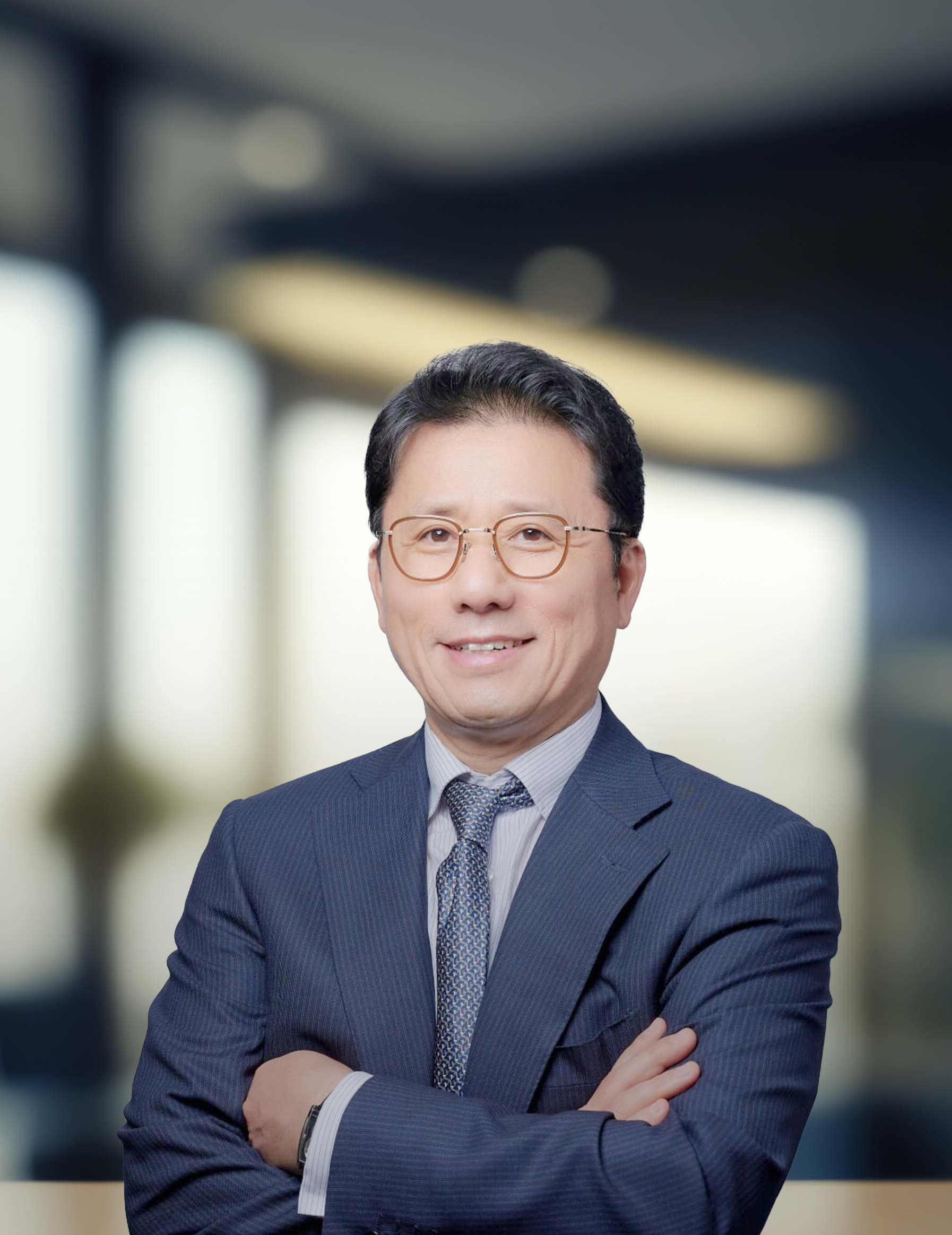
Kyoung Ryul Lee, MD, PhD, CEO of the SCL Group, Seoul Clinical Laboratory, a Specialist in Laboratory Medicine
Kyoung Ryul Lee, MD, PhD, CEO of the SCL Group, Seoul Clinical Laboratory, a Specialist in Laboratory Medicine What motivated your decision to attend medical school and become a physician? Could you share some particularly

ISSUE 28
FROM THE PUBLISHER W elcome to the 28th edition of the World Asian Medical Journal. This issue encompasses a captivating cover story featuring an interview with Dr. Huang, a distinguished medical professional whose journey from
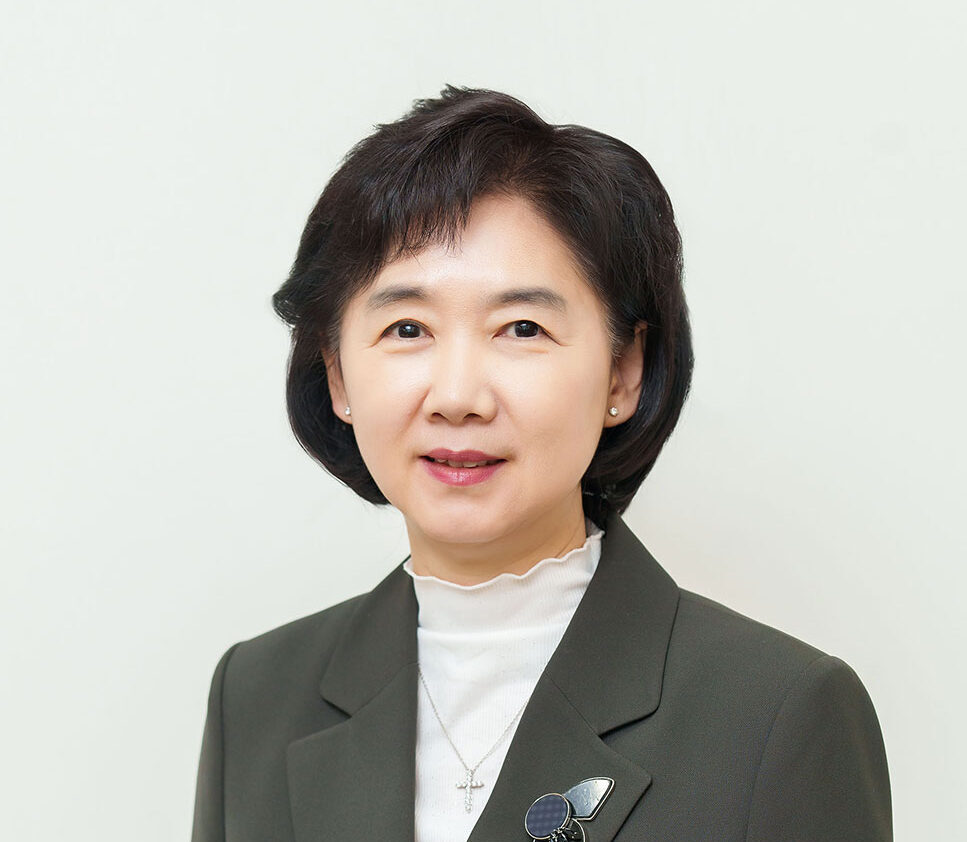
Youngmee Jee, MD, PhD | Inspirational Asian Healthcare Leader
INSPIRATIONAL ASIAN HEALTHCARE LEADER Youngmee Jee, MD, PhD Commissioner of Korea Disease Control and Prevention Agency INTERVIEW 01 Tell us how you decided to pursue a career in medicine. How did you choose your specialty?
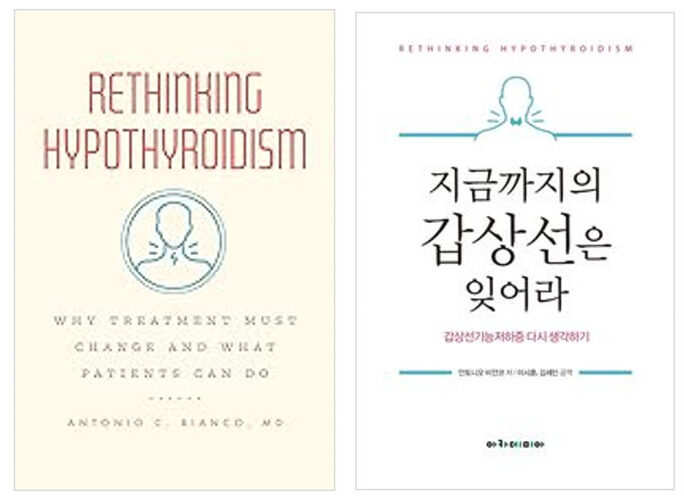
Rethinking Hypothyroidism
Rethinking Hypothyroidism: Why Treatment Must Change and What Patients Can Do Author: Antonio C. Bianco, MD Translated by: Semin Kim, MD & Sihoon Lee, MD About the book “Rethinking Hypothyroidism” The limitations of current
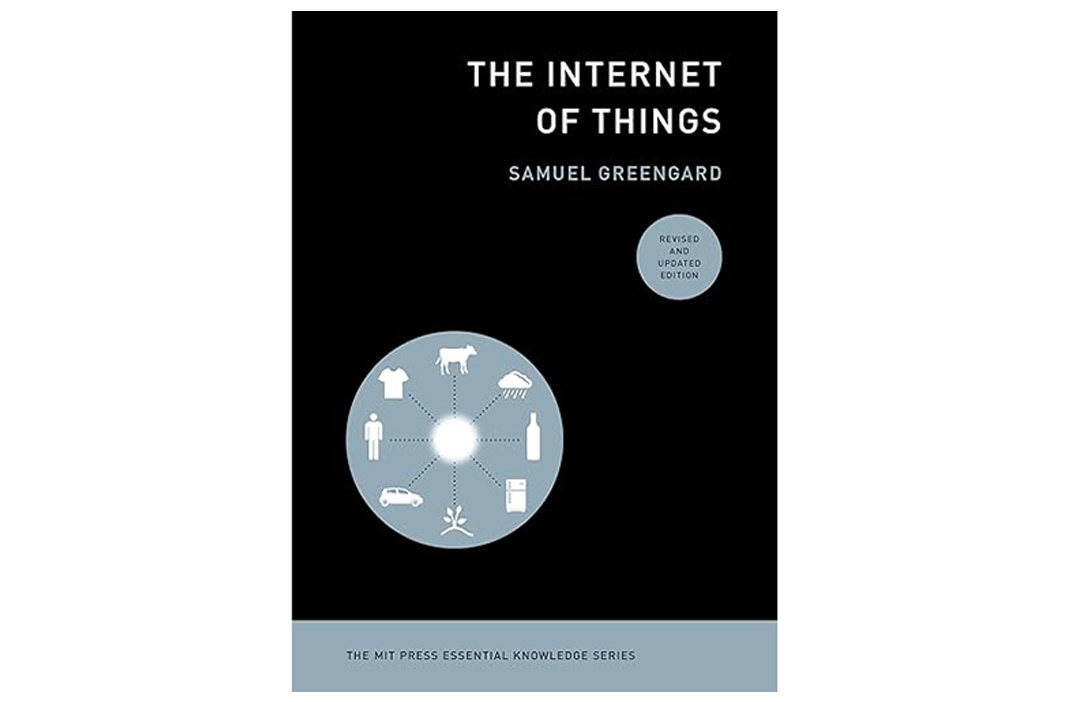
The Internet of Things (Revision 2021)
Purchase LinkThe Internet of Things (Revision 2021) Author: Sam Greengard We turn on the lights in our house from a desk in an office miles away. Our refrigerator alerts us to buy milk on the
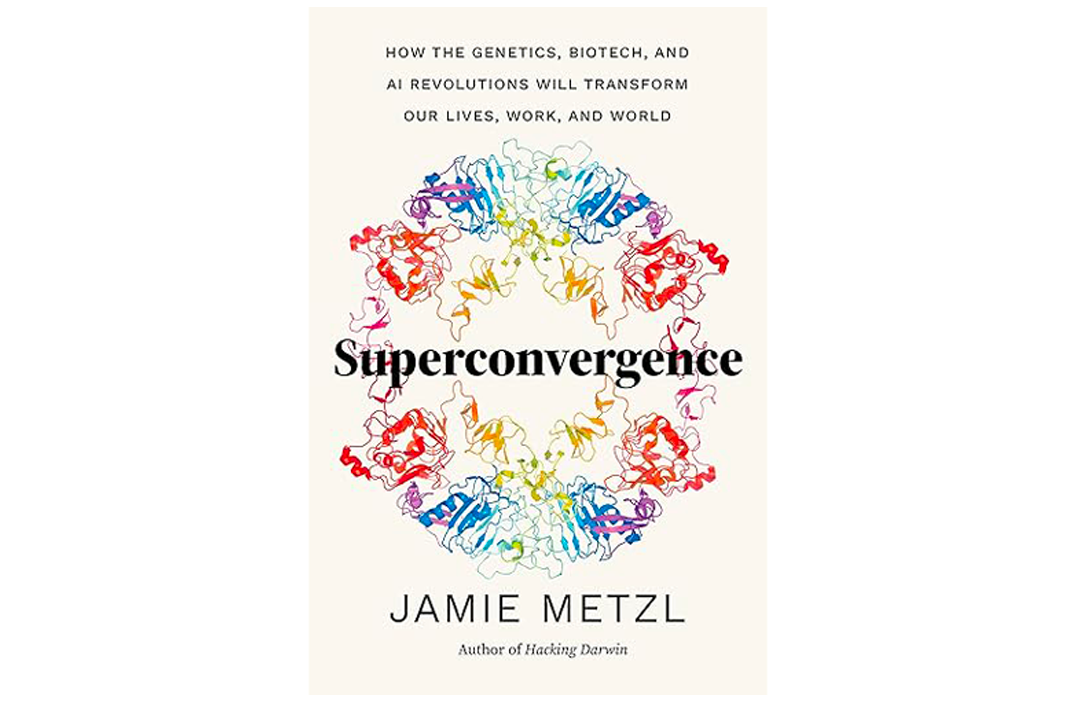
Superconvergence
Purchase LinkSuperconvergence Author: Jamie Metzl In Superconvergence, leading futurist and OneShared World founder Jamie Metzl explores how artificial intelligence, genome sequencing, gene editing, and other revolutionary technologies are transforming our lives, world, and future. These

The Strategic Importance of Location in the U.S. for Foreign Bio and Pharma Companies
The Strategic Importance of Location in the U.S. for Foreign Bio and Pharma Companies DoHyun Cho, PhD (CEO, W Medical Strategy Group) The U.S. Market: A Cornerstone of Global Expansion For pharmaceutical and biotech companies,

South Korea’s Healthcare Crisis: Beyond the Numbers
South Korea’s Healthcare Crisis: Beyond the Numbers Dongju Shin, Dong-Jin Shin INTRODUCTION The South Korean healthcare system has recently plunged into a significant crisis following a February 2024 announcement by the government to increase medical
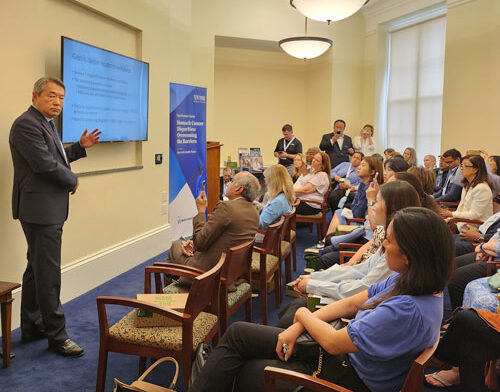
Overcoming Disparities in Gastric Cancer Care
Overcoming Disparities in Gastric Cancer Care Chul S. Hyun, MD, PhD, MPH Gastric Cancer and Prevention Screening Program, Yale School of Medicine, New Haven, CT Gastric cancer is the fifth most common cancer worldwide,
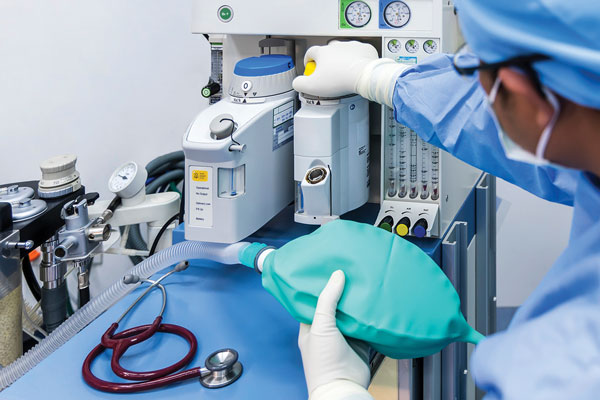
The Global OR – An Introduction to Global Surgery
The Global OR – An Introduction to Global Surgery Kee B. Park, MD, MPH, Dawn Poh, MBBS, MRes Introduction An estimated 5 billion people worldwide lack access to timely, affordable, and safe surgical care, including
 My dad ran a sole provider practice for 38 years in the Central Valley. He always said that his goal with each patient was simple, “I want each patient to walk away from me feeling better than they did when they walked up to me.” That is a pretty simple and maybe obvious concept, but medicine and doctor-patient relationships can get very complex. I always carry his wisdom and humility with me. Sometimes it may make me stand out like a choir boy in board meetings or corporate leadership meetings, but I think the principles of medical ethics of “do no harm, act in the interest of your patients, champion justice and what is right and respect individual patient choice and dignity” are strong principles for any industry. My medical school friends and I used to ask: Are you comfortable with that showing up on the front page of the New York Times? Or, is it good enough that I would use it for my grandmother? These may be superficial examples, but they have guided me through many difficult professional decisions.
 Oh, I think that is a mistake to measure impact in quantity. In fact, I might suggest it is a mistake to even attempt to measure your own impact. I currently work for a venture capital firm. I have a colleague who is about 14 years my junior. We have now worked together for four years, but she was in the audience for a panel I gave 14 years ago. When I joined Foresite Labs, she reminded me that she walked up to me after the panel and she told me I gave her amazing advice and it inspired her to pursue her path in health care startups. Given that the interaction was so brief, I cannot recall to this day what I said to her. If I didn’t work with her now, I can assure you I would have no idea that interaction meant anything at all to anyone. I would say that physicians can always take extra time with a patient if they sense the need. They can just stay human and never forget that the relationships
 I may be unique as a multi-ethnic physician answering this question, but I really think physicians need to embrace the fact that we all carry implicit bias. It is just unavoidable, and acknowledging it and learning where it impacts our patients is one of the most important practice innovations that could ever occur in my opinion. We owe this to women, LGBTQIA+ and BIPOC members of our communities. Recognizing our biases is just too important and it has been neglected for too long.
 “The Evolving Physician” is a great concept, because each of us is on an individual journey of growth and change, but we are also walking alongside each other evolving as a collective as well. I hope future physicians respect, modify and maintain some of the valuable healing rituals of those who have come before. Holding a patient’s hand in silence as she contemplates her cancer diagnosis is a privilege and a moment only humans can share. No AI or “bot” can replace human touch and empathy. We need science and knowledge to evolve, but maintain your humanity.